Best Healthy Eating Cookbook: How to Choose the Right One
What is the best cookbook for healthy eating?
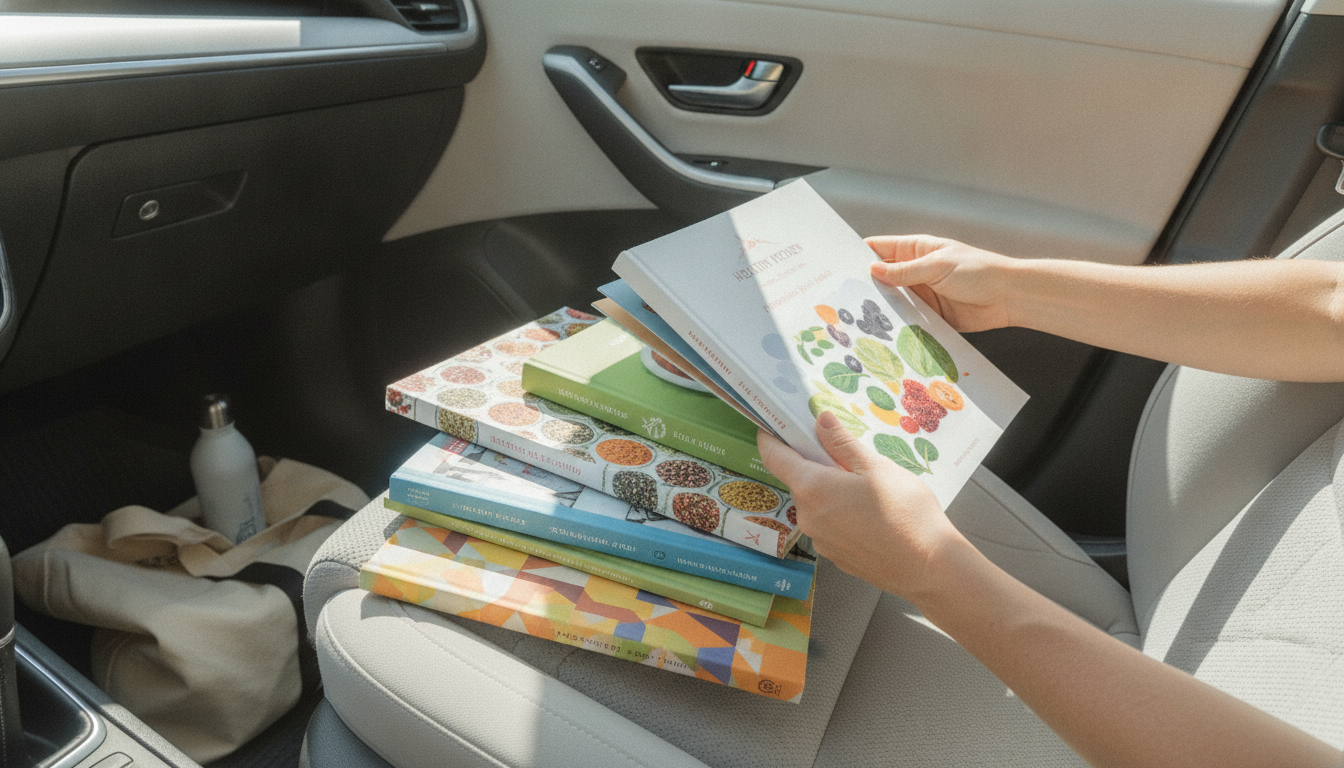
The best cookbook for healthy eating is the one that matches how you actually cook—your schedule, skill level, and dietary goals—while making nutritious meals feel doable and satisfying. A standout healthy cookbook typically offers balanced recipes built around whole ingredients (vegetables, legumes, lean proteins, whole grains, healthy fats), clear nutrition-forward techniques, and flexible options for common needs like higher protein, lower sodium, or plant-forward meals.
Look for a cookbook that emphasizes practical systems, not just “perfect” recipes. The most useful titles include weekly meal plans, mix-and-match bowls and sheet-pan formulas, smart substitutions, and leftovers that reheat well. If time is tight, prioritize cookbooks with 30-minute dinners, minimal prep, and pantry-based recipes. If cooking is a hobby, choose one that teaches methods—like roasting vegetables for maximum flavor, building sauces without excess sugar, and using herbs/spices to reduce reliance on salt.
How to choose the right healthy cookbook
Start with your eating style. For weight management, choose books with portion guidance and high-fiber, high-protein meals. For heart health, look for Mediterranean-style cookbooks that lean on olive oil, fish, beans, nuts, and vegetables. For families, choose kid-friendly cookbooks with familiar flavors and simple assembly. Also check whether the recipes list accessible ingredients and provide alternatives for allergies and dietary restrictions.
For specific recommendations and a deeper breakdown of what to look for (including what makes a cookbook genuinely supportive for everyday healthy eating), visit the main guide on the best cookbook for healthy eating.
What “healthy” should mean in a cookbook
A strong healthy cookbook doesn’t rely on extreme rules. It helps build meals that keep you full, support steady energy, and still taste great—think fiber plus protein at most meals, plenty of colorful produce, and reasonable amounts of added sugar and ultra-processed ingredients. Bonus points if it includes batch-cooking, freezer tips, and ingredient prep to make healthy choices easier all week.
FAQ
How do I start eating healthier if I don’t cook much?
Choose a cookbook with short ingredient lists and repeatable templates like bowls, salads, and sheet-pan meals. Start with 3–5 core recipes, rotate them weekly, and build confidence by mastering simple techniques like roasting, sautéing, and basic seasoning.












Leave a comment